
How Much Does a TV Commercial Cost in Denver? (2026 Breakdown)
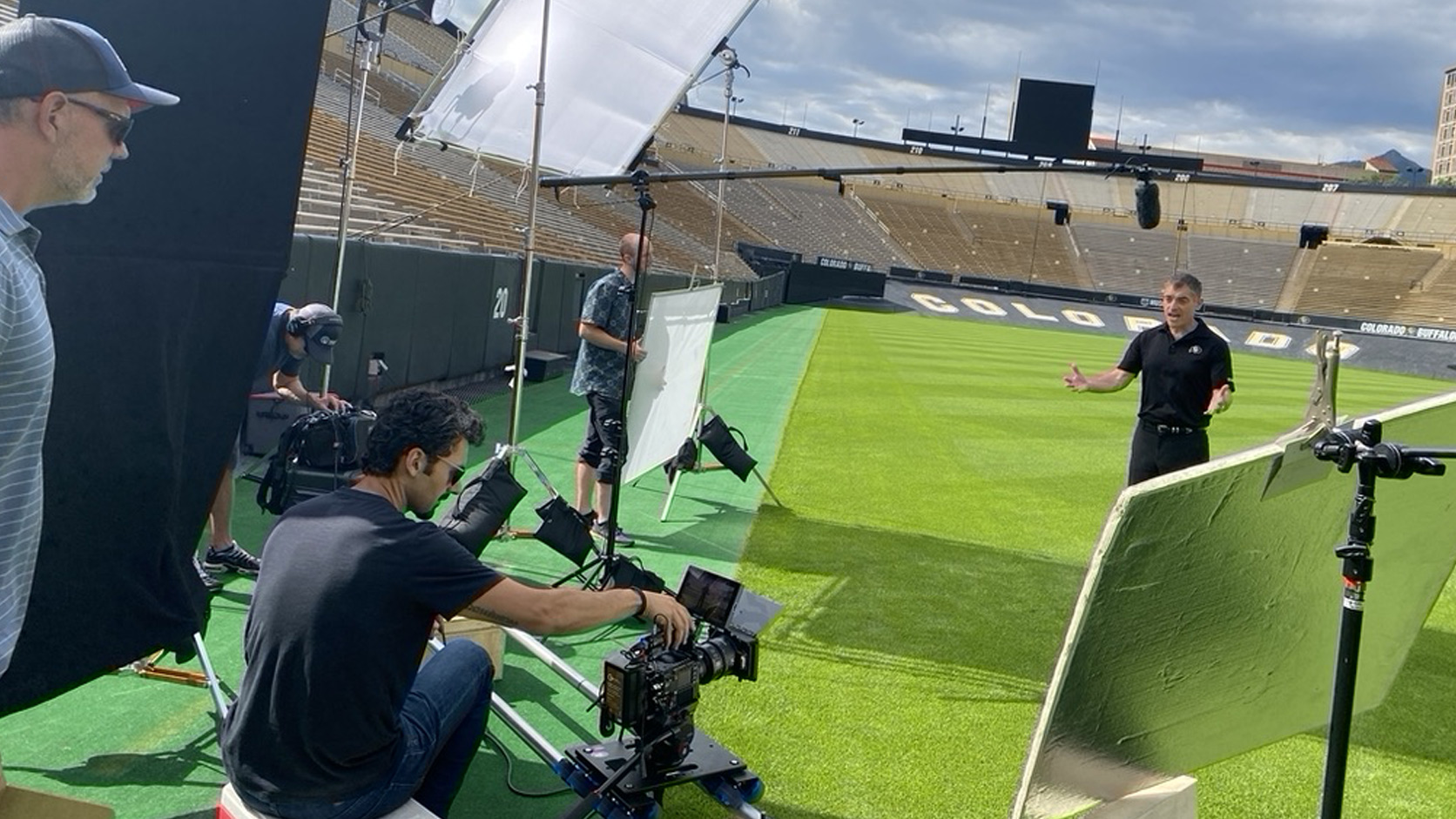
If you’ve asked three Denver production companies what a TV commercial costs, you’ve probably heard three answers that don’t seem to describe the same thing. One says four thousand dollars, another says forty, and both proposals promise “a day of filming.” Neither tells you which number is about to waste your money.
Here’s the short answer from our own budget sheet: a professionally produced TV commercial in Denver starts at about $8,000, and a full campaign of three commercials usually lands around $25,000. Simple animated spots built on stock footage can come in under that. Multi-day campaigns with several commercials, tagged versions and a full social package go higher.
The rest of this post breaks down what you get at each level, what actually moves the price, and the part most quotes leave out: what it costs to get the commercial in front of people once it’s made.
What a TV commercial costs to produce in Denver
| Level | Typical cost | What it usually includes |
|---|---|---|
| Simple | $8,000 – $10,000 | One commercial, a focused shoot, and the edit. Permits, location fees and actors are the variables that move it within the range. |
| Mid-range | $15,000 – $20,000 | More than one spot, so you can run different messages or promote different services, and it can include some social cutdowns. |
| High-end campaign | From about $25,000 | Multiple shoot days and three or more commercials in one campaign, with tagged versions and endplates for different specials, social cutdowns and any other deliverables you need. |
These are production costs: making the commercial. Running it on TV or streaming is a separate budget, covered below.
The jump from simple to campaign isn’t just “more video.” A campaign is planned so one set of shoot days produces a library: several commercials, the 15- and 6-second versions streaming and social platforms want, and footage you can keep cutting into new ads for months. That’s where the value per dollar goes up.
The five things that actually move the price
Every commercial quote comes down to the same five things. Once you know them, you can steer a budget instead of just accepting or rejecting a number.
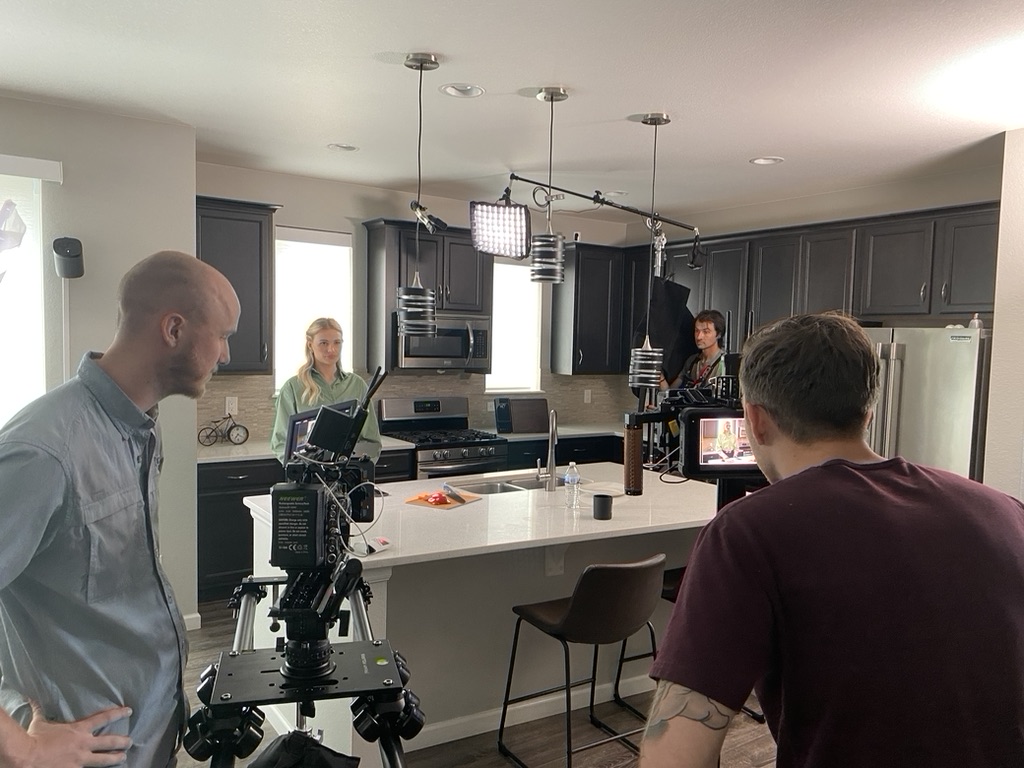
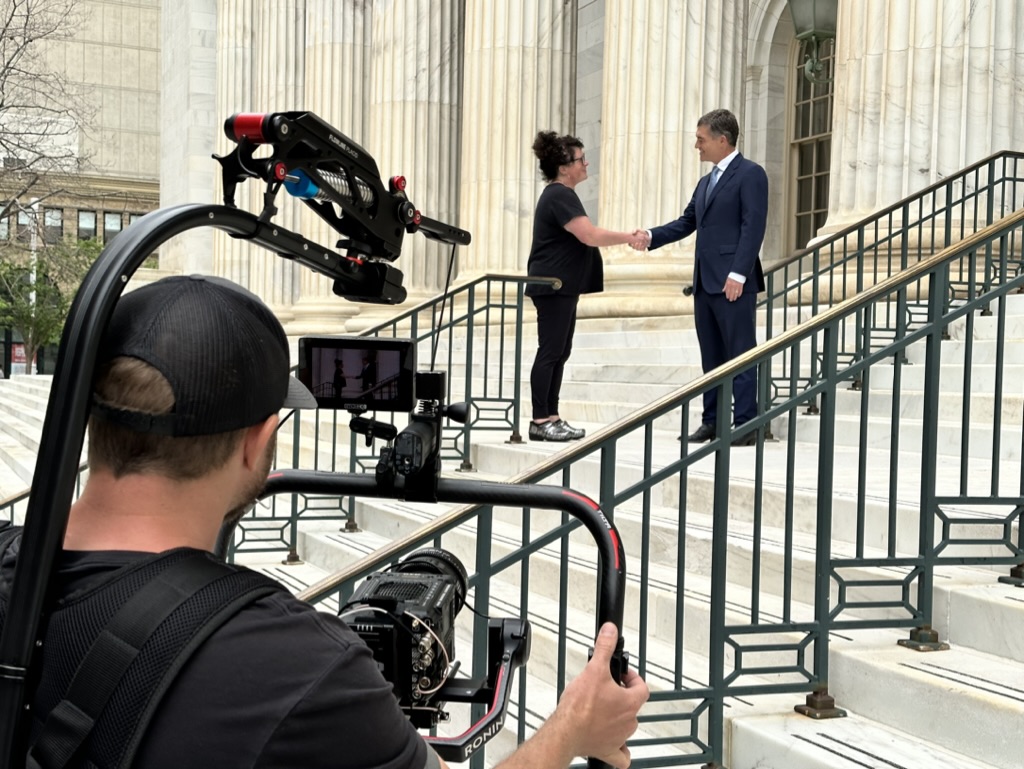
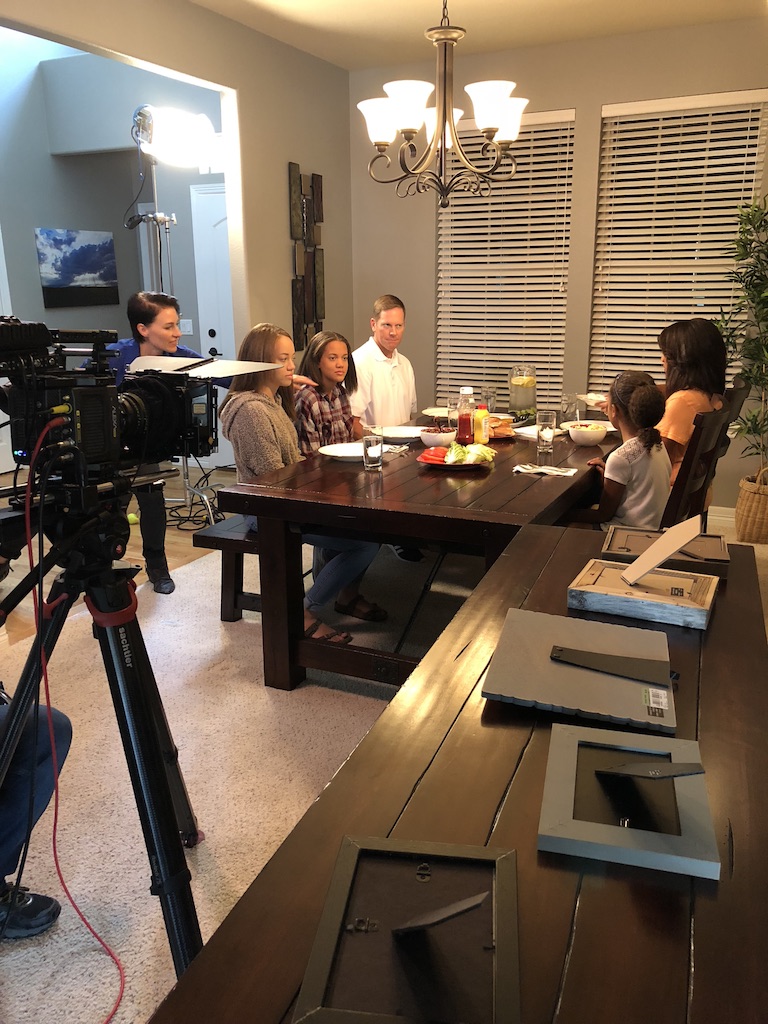
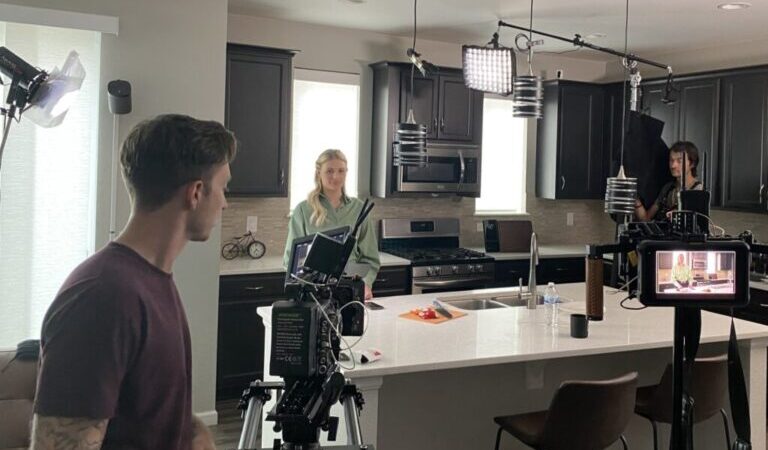
- Crew size. Two people, four or six? Each crew member is a day rate, plus travel and meals on longer jobs. This is the biggest swing in most budgets, and it’s the line clients cut first, usually without being told what it costs them. A small crew can absolutely make a commercial, but setups take longer, lighting is simpler, and you come away with less footage.
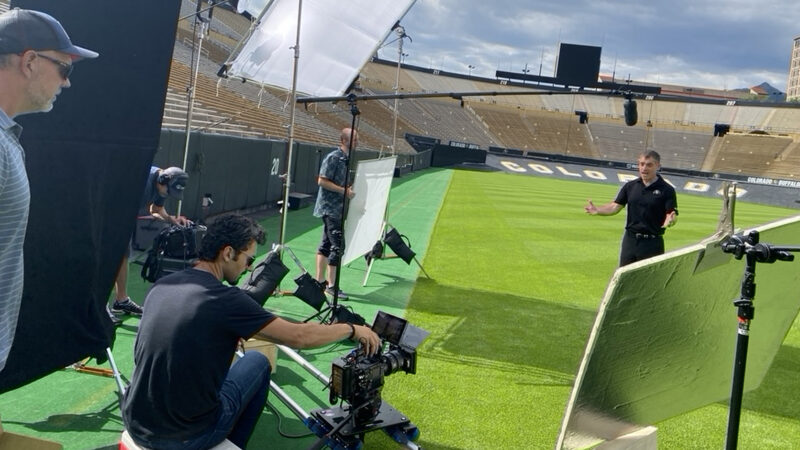
- Lighting. Making midday look like early morning, or shooting an interview at noon so the subject looks soft instead of squinting, takes a gaffer, a grip, and a truck to carry the gear. Lighting is the difference between something that looks like television and something that looks like a phone.
- Shoot days. The most efficient lever you have. A second day rarely costs twice the first, because pre-production, travel and setup are already paid for, and it usually more than doubles what you get back. If your budget is fixed, spend it on a second day before you spend it on a fancier camera. Nobody notices the camera’s sensor; everybody notices you ran out of daylight.
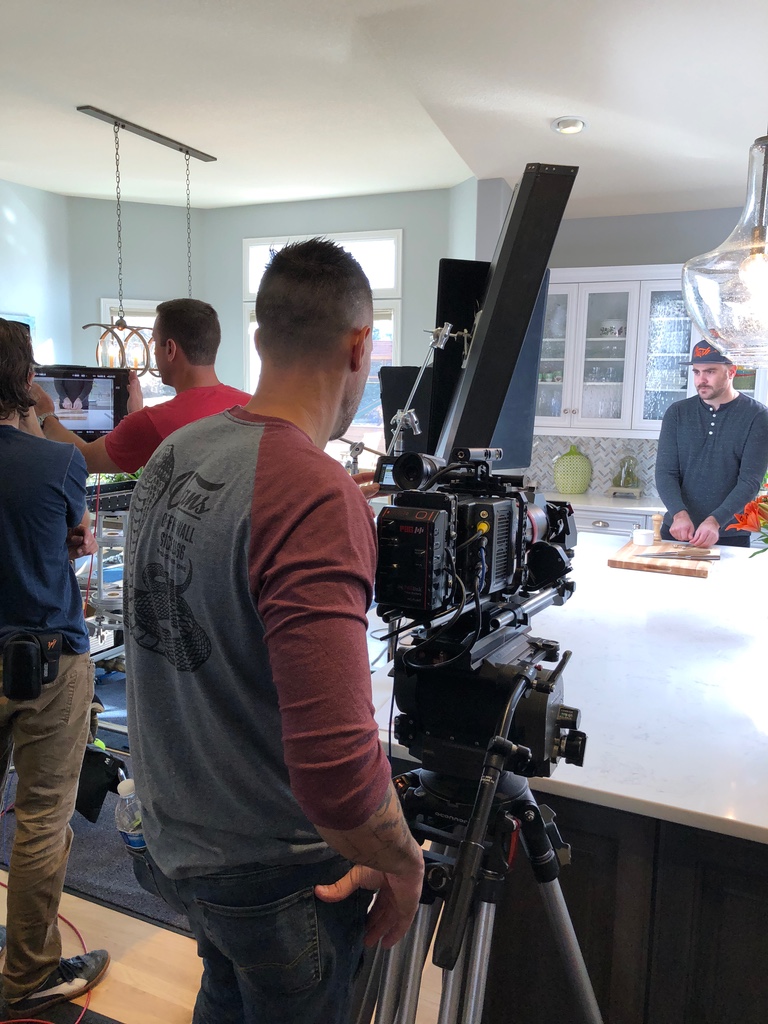
- Equipment. The camera body matters less than the support around it: lighting, grip, stabilizers, sliders, drone. Cinema lenses and a proper lighting package are what make it look cinematic rather than recorded.
- Deliverables. How many finished pieces, in how many formats. This is where under-quoting usually hides. Twelve cutdowns aren’t twelve exports; they’re twelve separate edits, and often extra takes on the day to give each one variety.
Where the money goes
On a typical $25,000 campaign, the split looks roughly like this, and the proportions hold at every level:
| Phase | Share | What it covers |
|---|---|---|
| Shoot days | 40% | Crew day rates |
| Post-production | 24% | Editing, color grade, audio mix, project management |
| Pre-production | 12% | Concepts, scripts, storyboards, planning, scouting, scheduling |
| Gear | 10% | Camera, lenses, lighting, grip truck, drone |
| Production fee | 5% | Company overhead and project risk |
| On-set costs | 4.5% | Craft services and production insurance |
| Licensing and delivery | 4.5% | Music licensing, transcription, encoding, delivery |
If a quote you’re comparing puts almost everything into the shoot, ask what the edit budget is. Footage nobody has time to edit properly is the most common way a commercial budget gets wasted. And ask for the same breakdown from everyone: crew by role, days, gear, edit hours and the number of finished pieces. A quote that can’t be broken down that way is a guess.
Two real campaigns
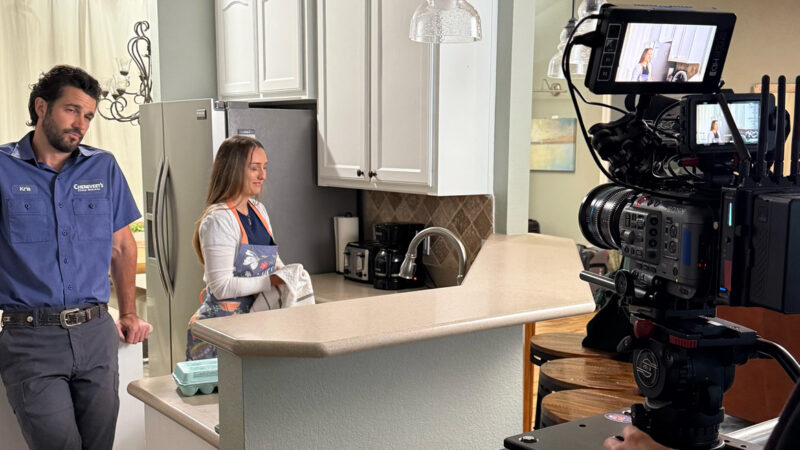
- Chenevert’s Home Services: a full campaign of three commercials, with multiple deliverables cut from the same shoot, plus the media buy to run them. This is what the high-end level looks like in practice: one production, several spots, and the placement handled by the same team.
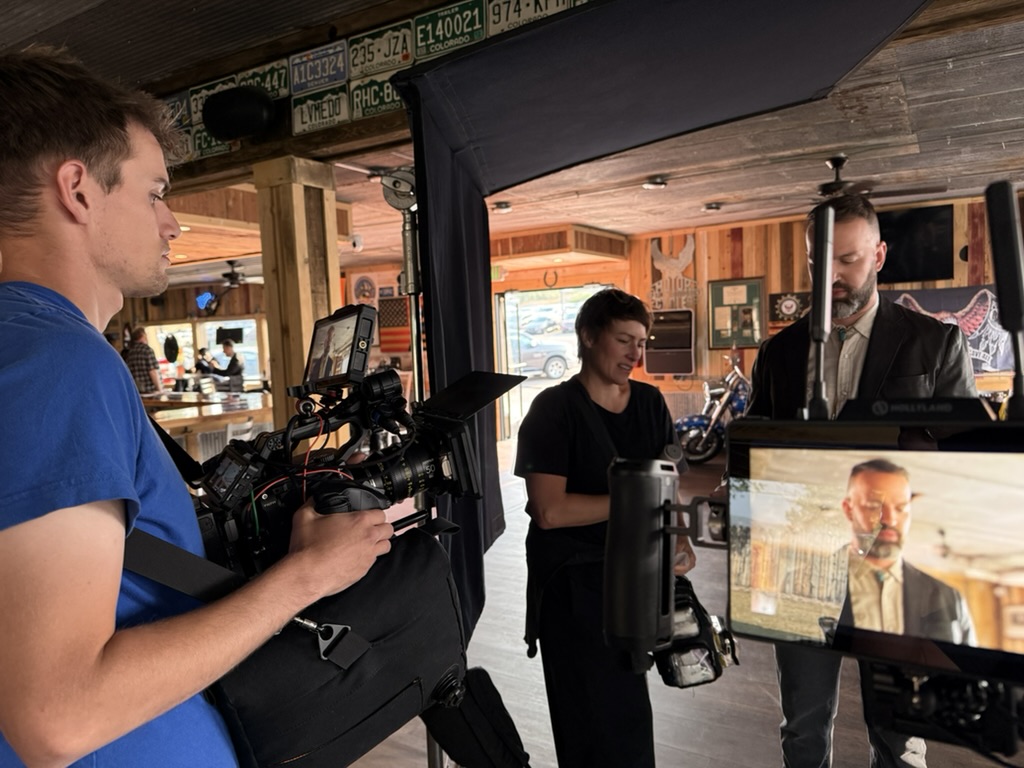
- The Outlaw Injury Attorneys: a full commercial campaign with six deliverables, built so the firm had different versions to run in different places instead of one spot doing every job.
Making a commercial vs. running it
The production numbers above pay for making the commercial. Getting it seen is a second budget: the airtime or streaming impressions you buy on connected TV, broadcast, YouTube and Meta. A great spot with no media behind it is a very expensive file.
How much does it cost to run? For connected TV (ads on streaming services like Hulu, Peacock and YouTube TV, shown on the living-room screen), a realistic starting budget in Denver is about $3,500 a month. That’s enough to reach a targeted local audience consistently; larger budgets buy more reach and frequency.
We handle both. Media buying is run in-house by Kendra Happ, our media buying specialist. Because of her relationships with the platforms, we don’t charge a commission on the buy. Those dollars go straight back to you, either as lower costs for the same number of impressions or as more reach for the same budget.
That also changes how the commercial gets made. When the people planning the media are in the room from the first call, the shoot is built around where the ads will run: the right lengths, vertical versions framed on the day instead of cropped afterward, and endplates you can swap for different offers.
Cutdowns, revisions and timeline
Cutdowns are included. Streaming, social and pre-roll each want different lengths and shapes, so we plan the 15-second, 6-second and vertical versions before the shoot. Exactly which ones you get depends on the package and what you need, and a large or unusual request can add cost. We’ll talk it through before anything is quoted. If you need a steady flow of social content after the campaign, we also offer social media retainer packages.
Two rounds of revisions at every stage. You review the work at each stage of the process, with two rounds of changes included each time. That’s enough to get it right without the edit dragging on for months.
About four to seven weeks from first call to delivery. Concept, pre-production and post take most of that time; the shoot itself is usually one day. A multi-day, multi-commercial campaign runs closer to eight weeks. If you have a hard date, like a spring storm season or a grand opening, tell us on the first call. It’s almost always achievable if we know early.
Frequently asked questions
How much does a 30-second TV commercial cost in Denver?
Producing a single 30-second commercial starts at about $8,000. Permits, location fees and actors move it within the $8,000 to $10,000 range. Airtime or streaming placement is a separate budget.
Why do commercial quotes vary so much?
Crew size, lighting, number of shoot days, equipment and the number of finished pieces. Two quotes for “a day of filming” can include very different crews and very different edits. Ask each company to break the quote down by those five things.
Can a commercial be made for less than $8,000?
Sometimes. Simple animated spots built on stock footage can cost less. A live-action commercial with a professional crew, lighting and a proper edit usually starts around $8,000.
Are social media versions included?
Yes. Cutdowns are included and planned before the shoot. Large or unusual requests can add cost depending on the package, and we’ll talk it through first.
Do you charge a commission on the media buy?
No. Our media buying specialist works in-house, and the commission most agencies would take goes back to you as lower costs or more reach.
How much does it cost to run a commercial on streaming TV in Denver?
For connected TV, a realistic starting budget is about $3,500 a month. That’s separate from the cost of producing the commercial.
How long does it take to make a commercial?
Most commercials take about four to seven weeks from first call to final delivery. The shoot itself is usually one day.
Get a real number for your commercial
The fastest way to an actual quote is a short call. Tell us what the commercial is for and who should see it, where it needs to be shot, when you need it, every deliverable you might want (including the maybes), and what you’re working with for budget. That last one isn’t a trick: knowing the number lets us tell you what’s achievable inside it, or say plainly that it isn’t.
Notes from the field
 October 2026
How Much Does a TV Commercial Cost in Denver? (2026 Breakdown)
A Denver TV commercial starts around $8,000 to produce, and a full three-spot campaign runs about $25,000. What each level includes, what…
Read it →
 October 2026
Why We Shoot Most Jobs on the Sony FX6 and FX3
Our founder's take on why our Colorado crew shoots most commercials, interviews and social content on the Sony FX6 and FX3, and…
Read it →
 October 2026
10 Most Popular Lighting Techniques in Video Production
Proper lighting could make the whole difference in creating the proper visual style, mood and atmosphere of a successful video production project.…
Read it →
Free quote, no obligation · We respond within one business day